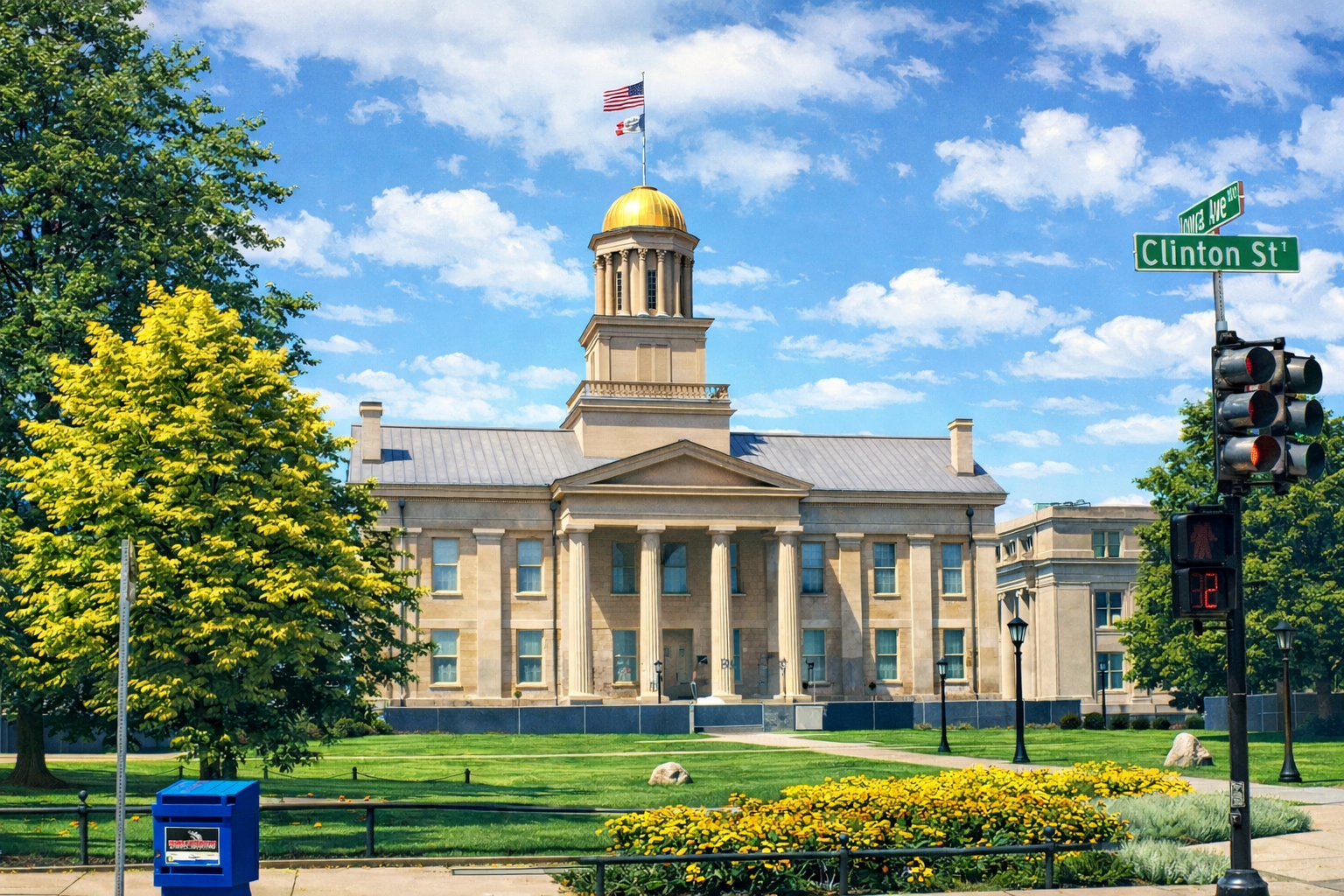
A city tells the truth about itself after 6 p.m. Long after the ribbon cuttings and official talking points have faded, what remains is the lived version of the place: who still lingers downtown, which businesses stay open late enough to matter, whether people feel invited to keep walking, and whether public life still feels possible without a ticketed event attached to it.
For Iowa City, that question matters more than it sometimes gets credit for. The corridor is full of earnest conversations about growth, reinvestment, and quality of life, but those subjects can become abstract quickly. Evening life makes them concrete. If residents can move between dinner, a gallery opening, a bar stool, a bookstore event, and one more unplanned stop on foot, then the city is doing something right.
That is why nightlife should not be treated as a niche beat or a disposable luxury. It is part of the civic atmosphere. It supports local business, gives artists and venues a place to build regular audiences, and helps downtown feel like a real neighborhood instead of a district that empties out as soon as offices close.
A calmer local publication should be willing to say that plainly. What happens after dark is not separate from the story of Iowa City. It is one of the clearest ways to read the place at all.